This past summer I traveled to Coshocton, Ohio with my brother to visit some Native American earthworks. While in the area I visited Coshocton’s two dispensaries: Ascend and Story.
Ascend was located in the same building that used to house an Ohio Cannabis Company dispensary. It was more of a barn than a building. One of the Ascend employees told me they used to work for Ohio Cannabis Company in that same building.
Ascend’s in-house brand of distillate disposable was called Ozone. The disposable device itself was excellent, with wonderful airflow and discreet design. However, the Kushocton distillate within the device was rather vile. It was harsh and only slightly tasted of limonene. I’d never buy that stuff again.
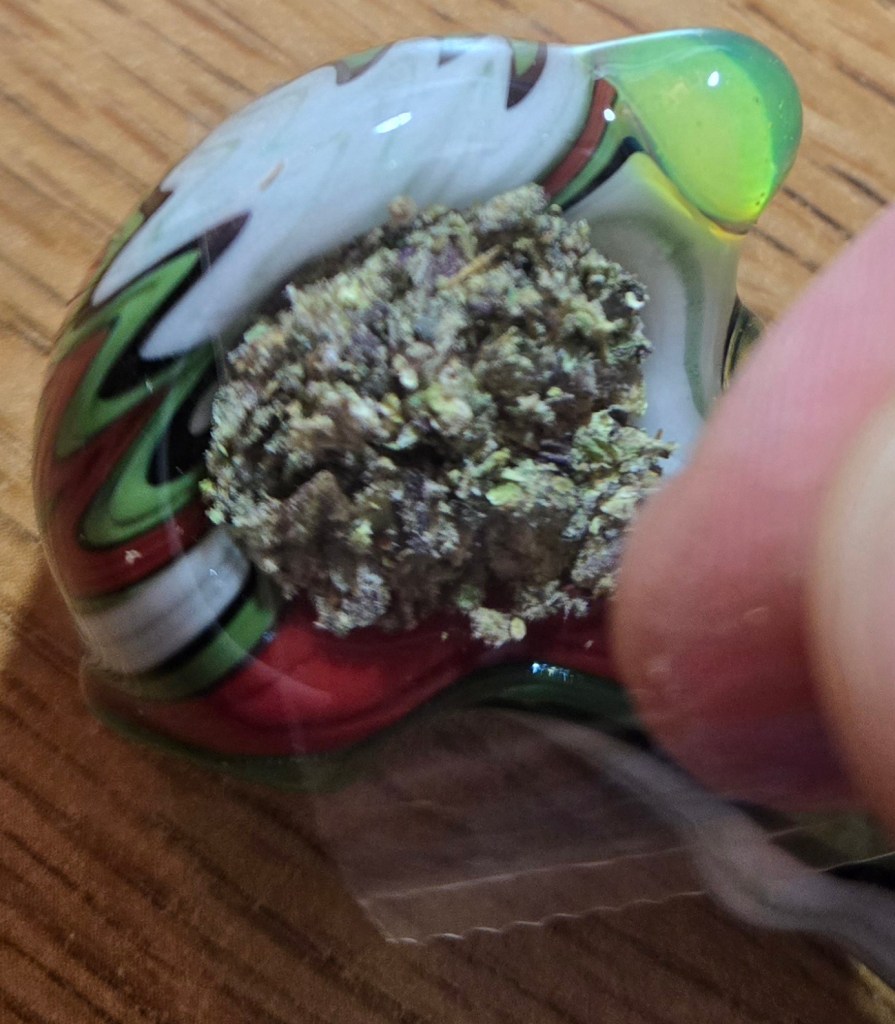
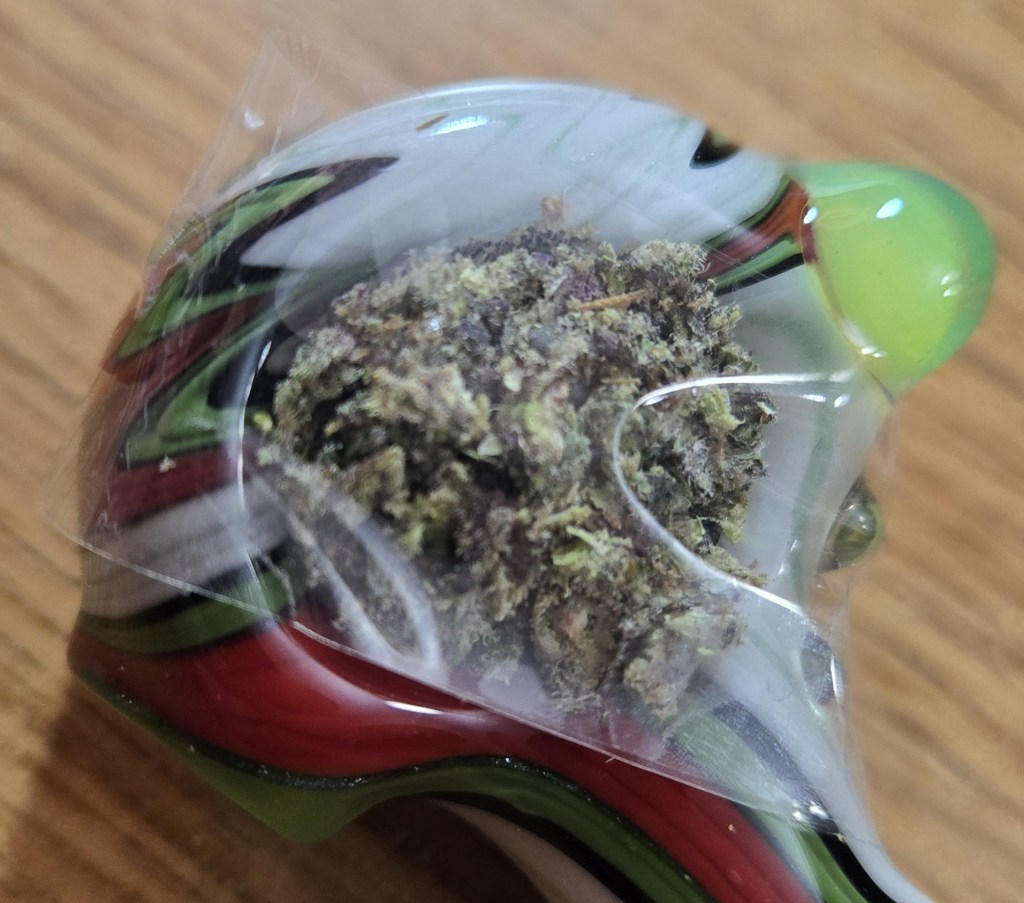
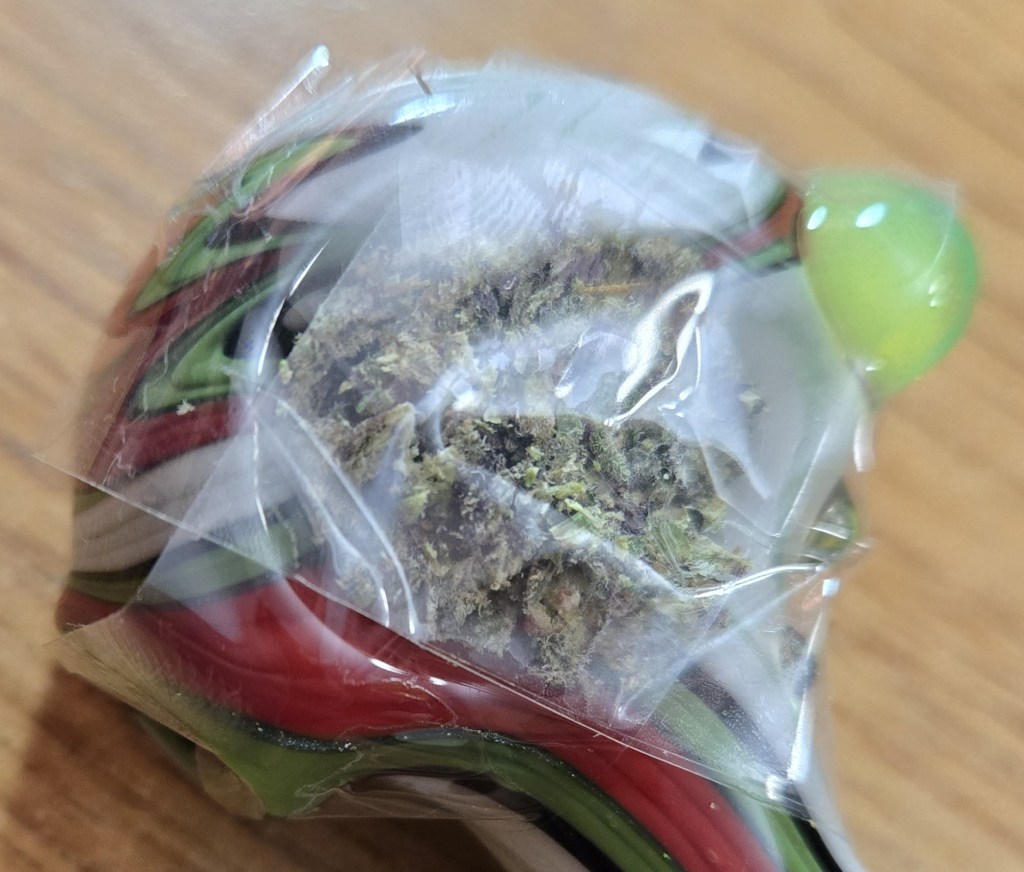
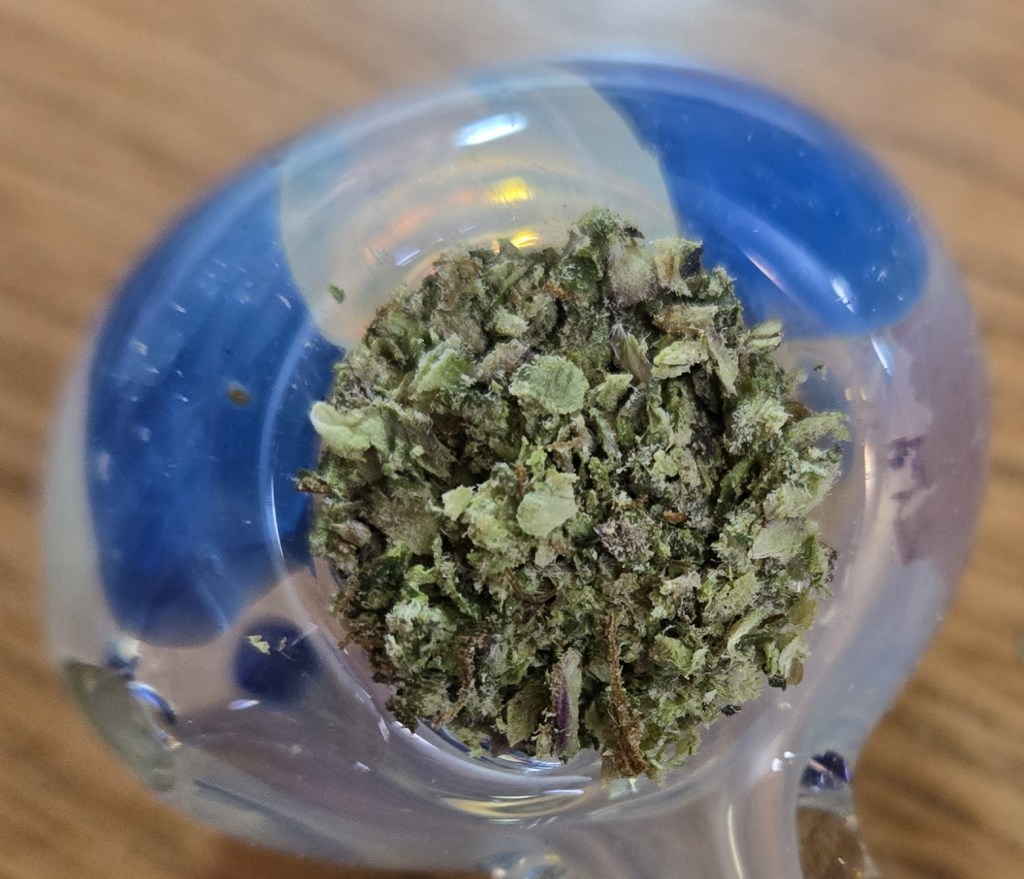
I preferred the vibe within Story’s shop to the feeling I got at Ascend. I also purchased a much better product at Story. I got a tenth of Black Maple from Treehaus, a DCC-licensed grower from Euclid, Ohio. The flower smelled SUPER strong and had an excellent woody and sweet flavor.
After visiting the dispensaries, we headed to the Johnson-Humrickhouse Museum to look at real-life mammoth bones along with ancient pipes of the Ohio Valley and beyond. Thank you to the museum’s staff who allowed me to publish this article!

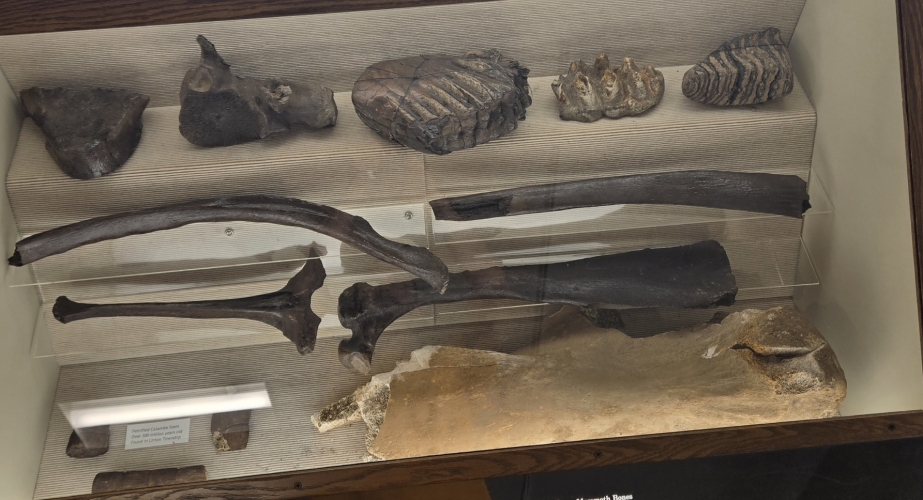
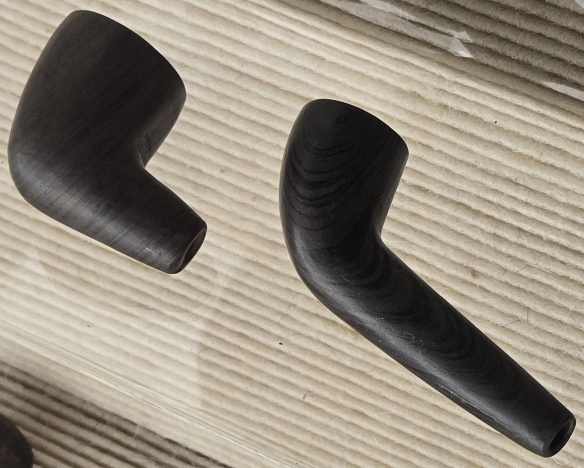
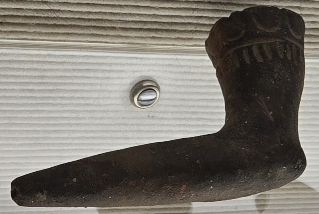
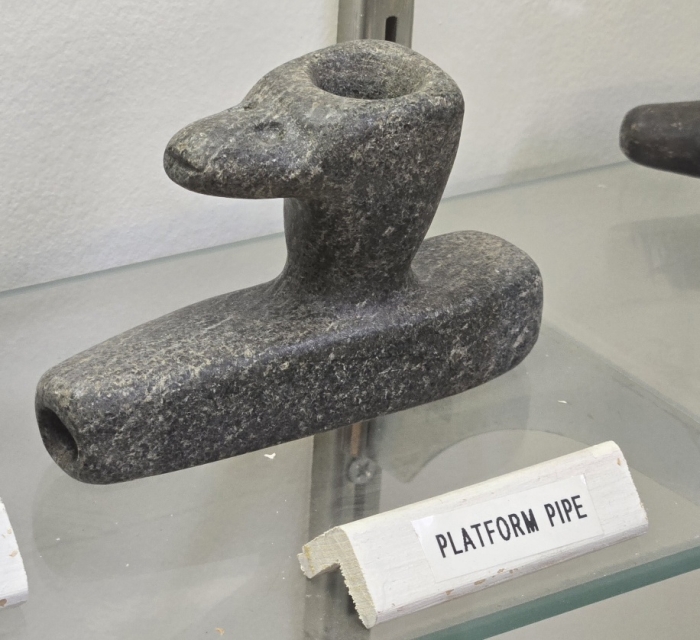
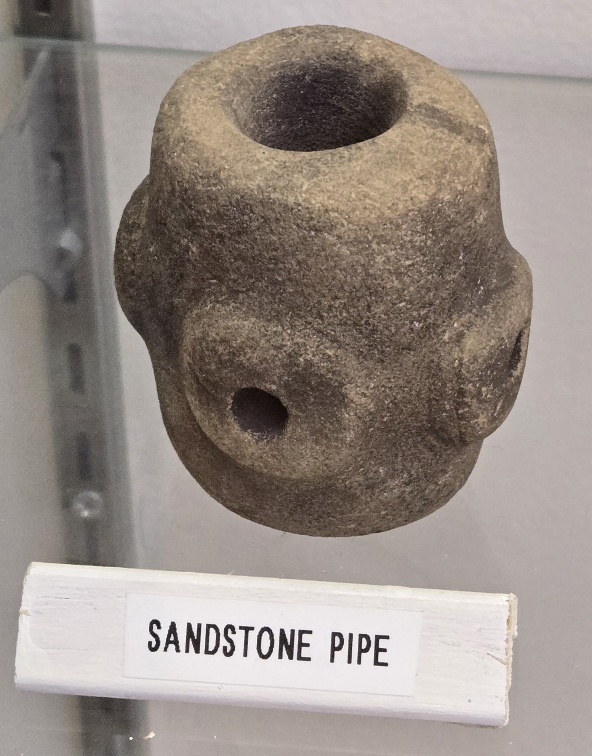
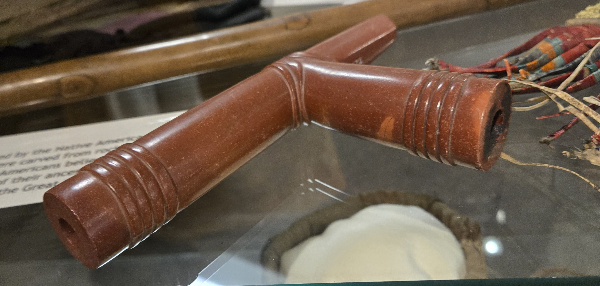
Near the mammoth bones was a large exhibit featuring ancient pipes from many cultures. On the wall was a sign with the following text:
The custom of smoking tobacco began in the Archaic period. Primitive pipes were simple stone tubes with a large cavity at one end for insertion of smoking material and a smaller hole at the other for drawing the smoke. In most cases a small pebble was inserted in the bottom of the bowl cavity to prevent the smoking material from entering the smoker’s mouth. Substances other than tobacco were undoubtedly smoked and the custom was probably limited to ceremonial or ritual occasions.

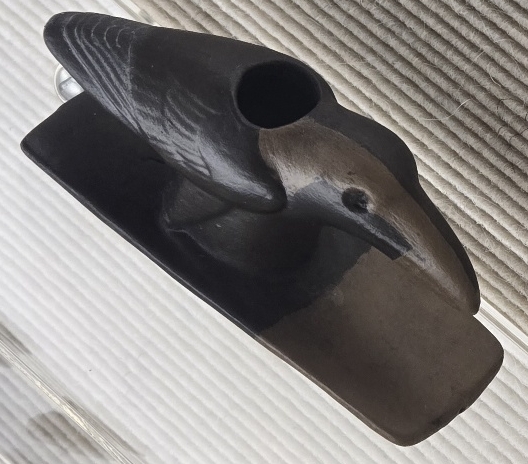
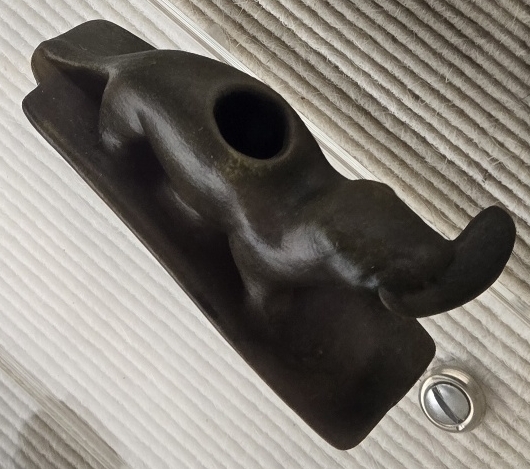
Above is an ancient steamroller made from stone. Below is a view through the middle of the steamroller along with an effigy pipe standing next to it.

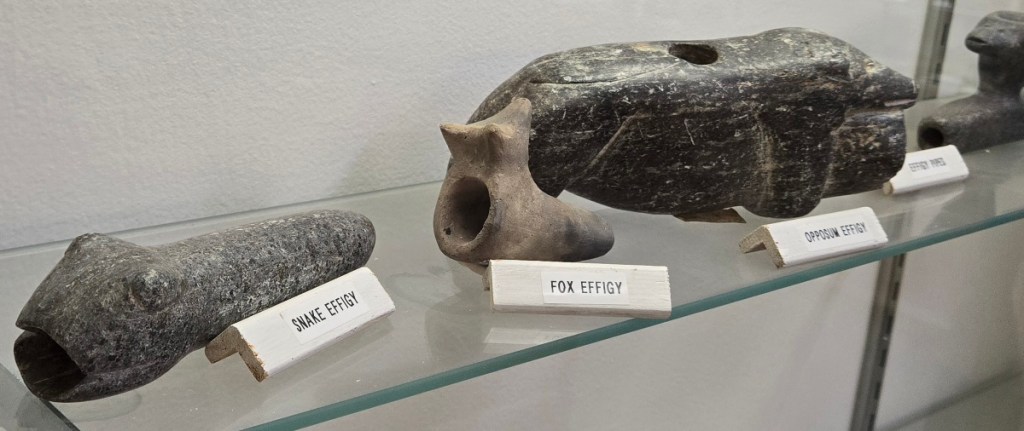
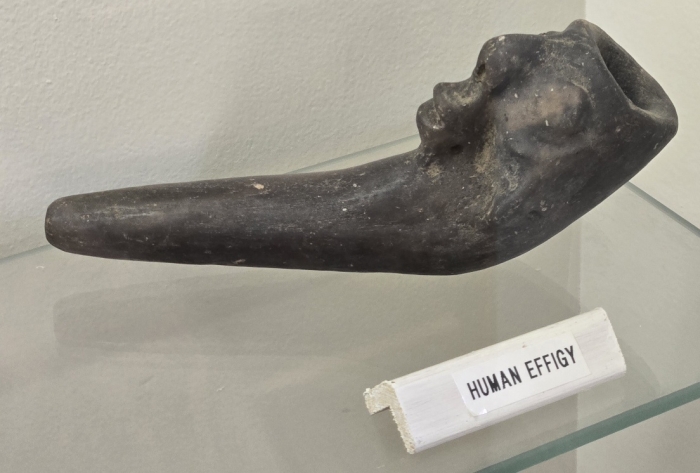
What is an effigy? According to The Illustrated Encyclopedia of Native American Mounds and Earthworks by Gregory L. Little:
An effigy is an image or representation of a person, animal or object. Many pottery vessels were made to represent animals and human heads. Effigy mounds are earthworks deliberately shaped to represent animals, humans, and even in a few cases, specific symbolic artifacts. Mounds have been found that were formed into snakes, birds, panthers, water creatures, shaman and ceremonial axes.
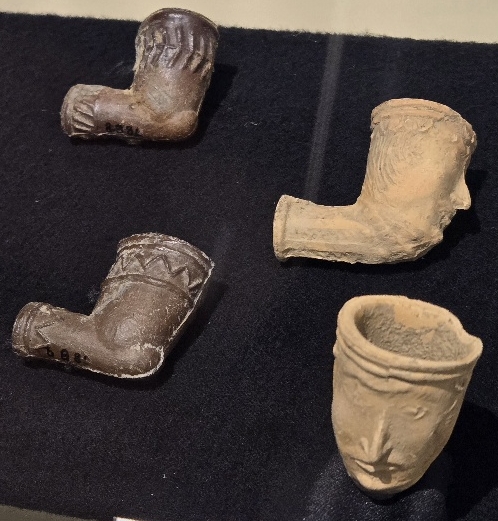
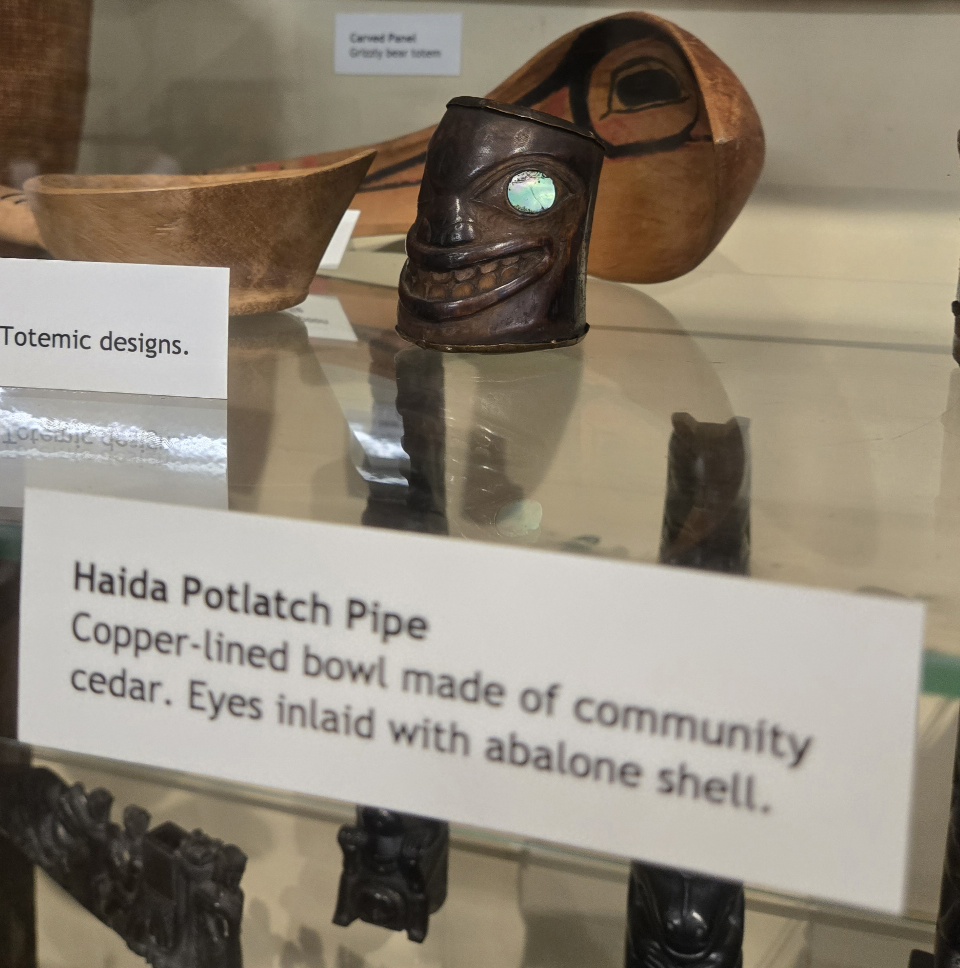
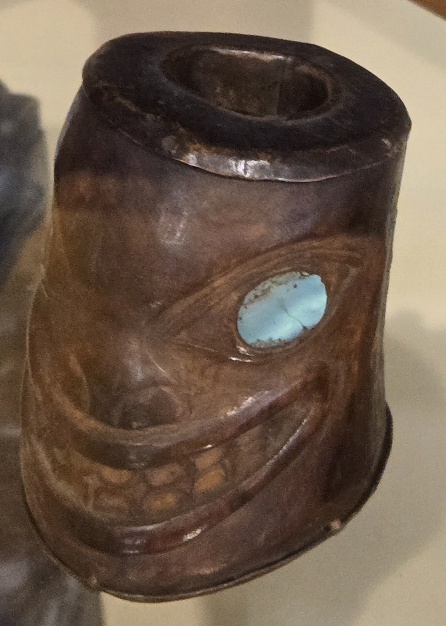
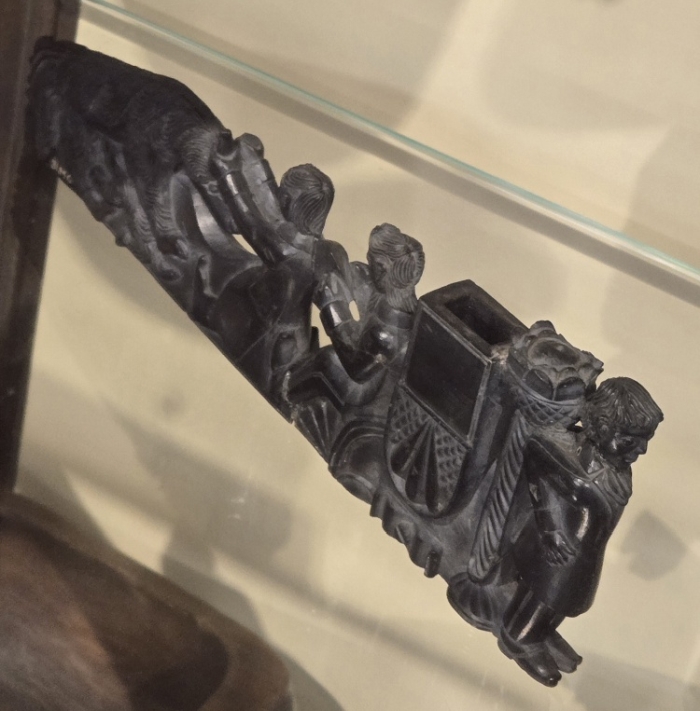
I saw many effigy pipes at the Johnson-Humrickhouse Museum. Some were shaped like animals, while others had human-like faces.
While staring at these pipes I wondered about the people that puffed on these pieces. Where were they smoking? When were they smoking? What types of substances were they smoking on? Were the contents within the pipes something they grew themselves, or did they acquire it by other means? Could some of these pipes have been used to smoke cannabis or hashish?
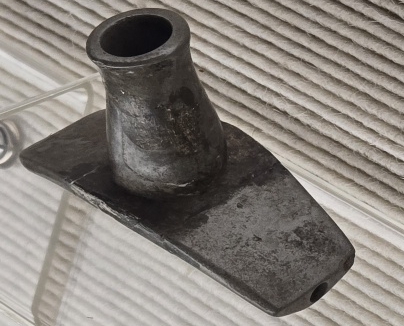
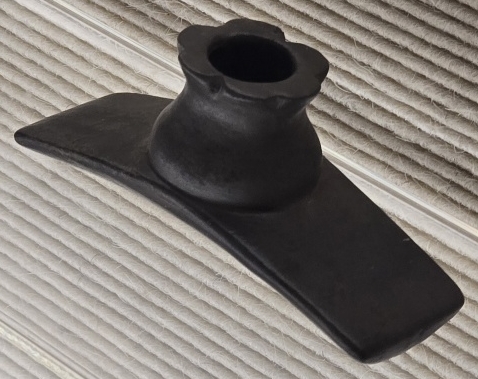






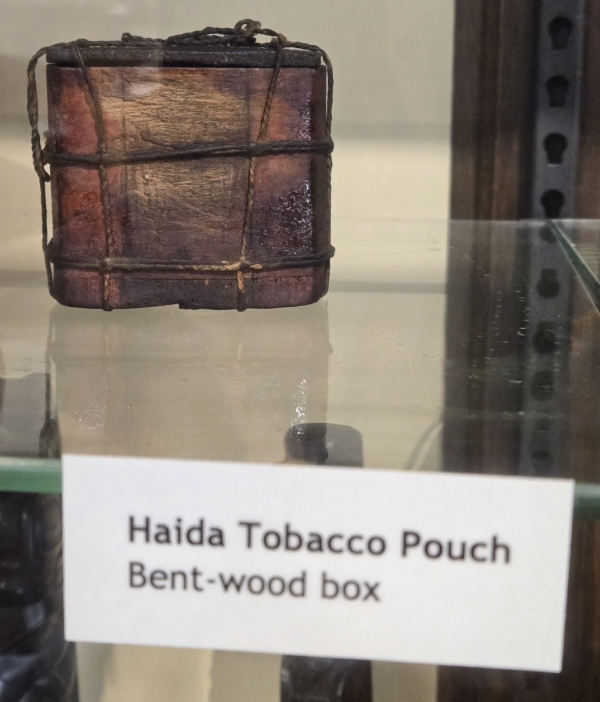

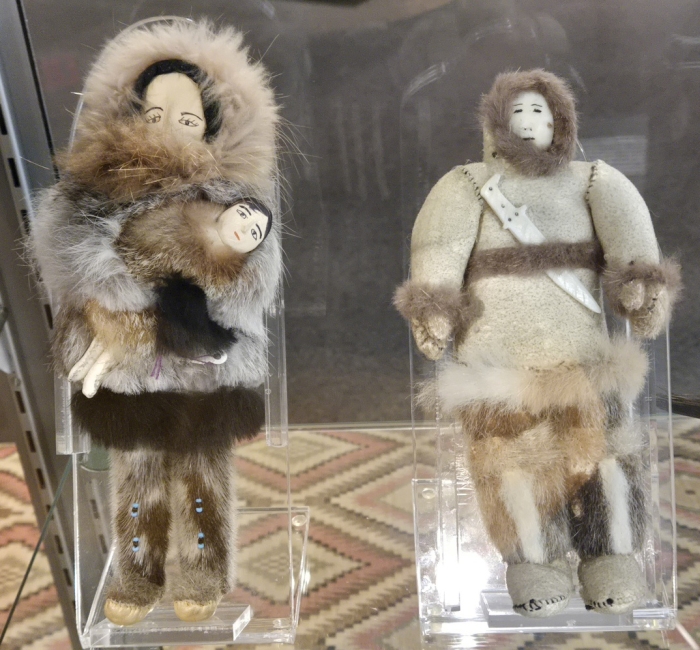
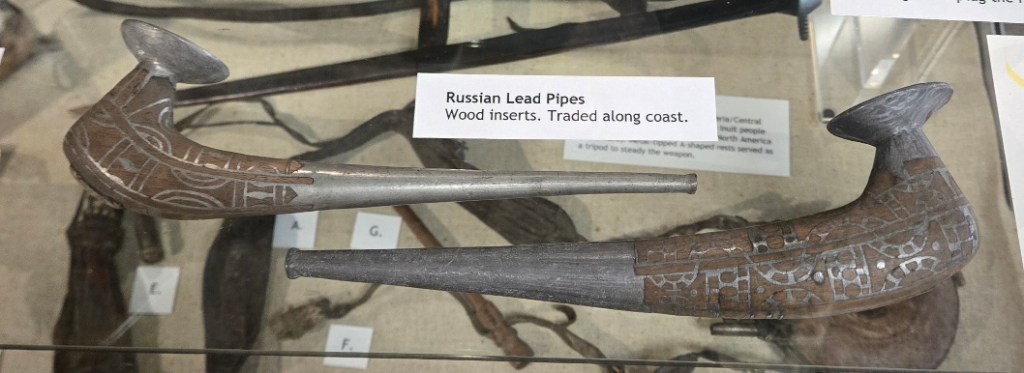
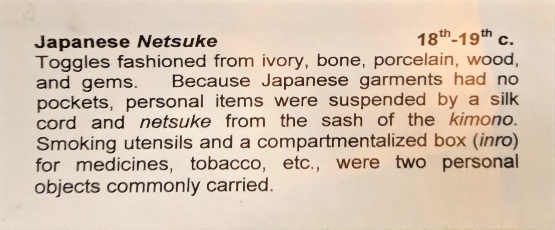


Check out all the different types of snuff bottles on display! They were probably used for tobacco snuff, but were some of them used for some sort of hallucinogenic snuff?


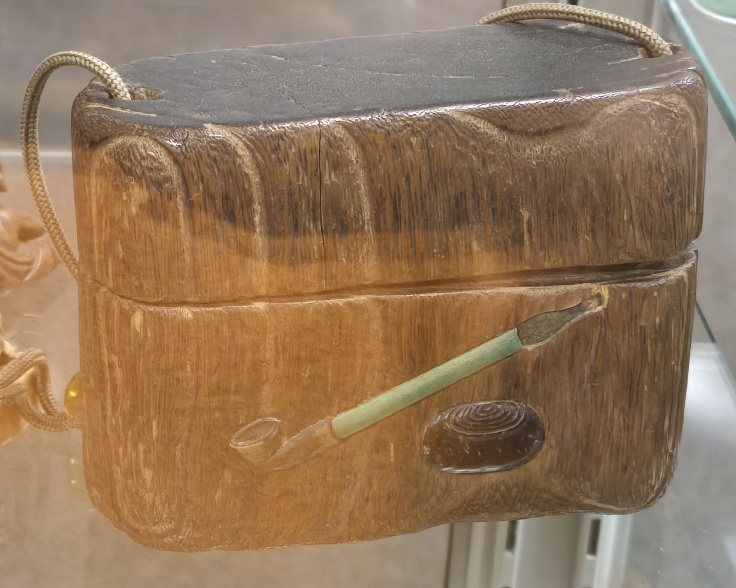

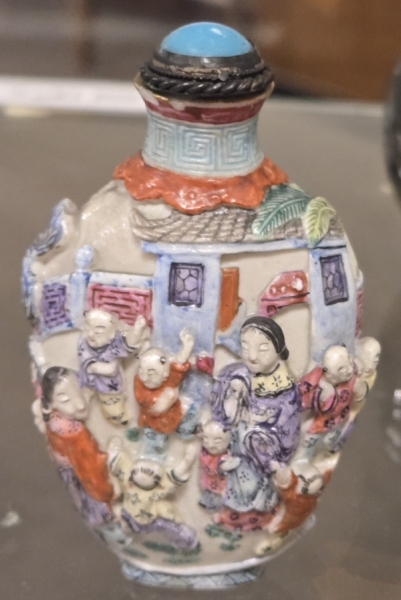
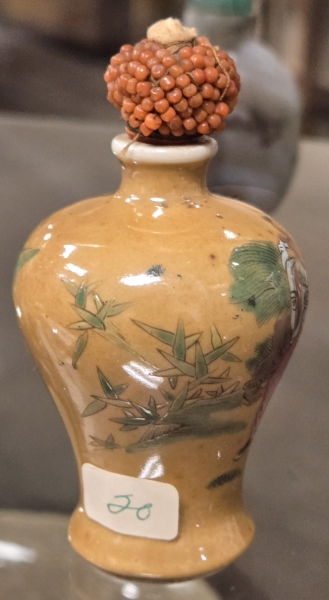
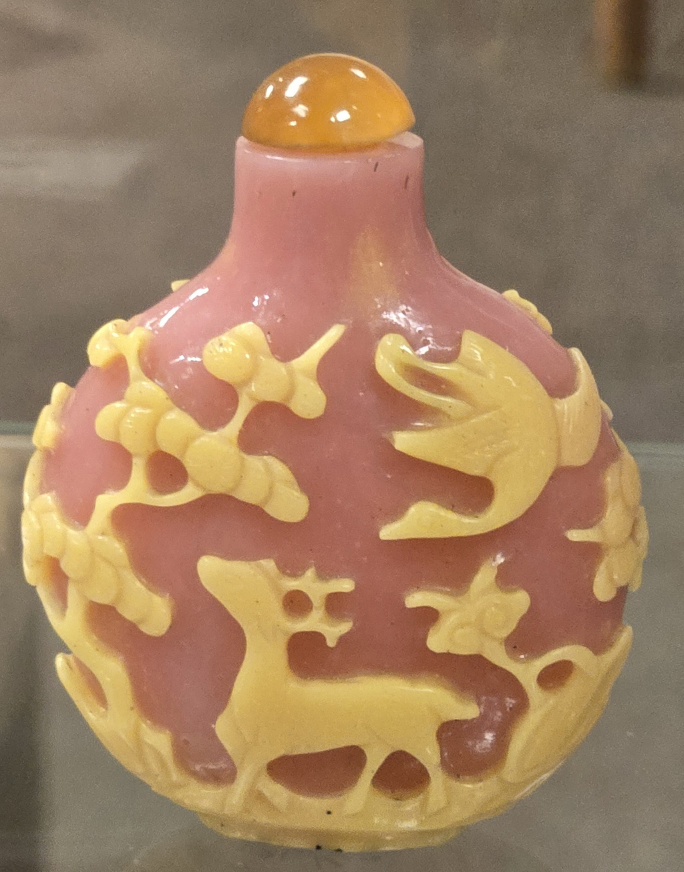
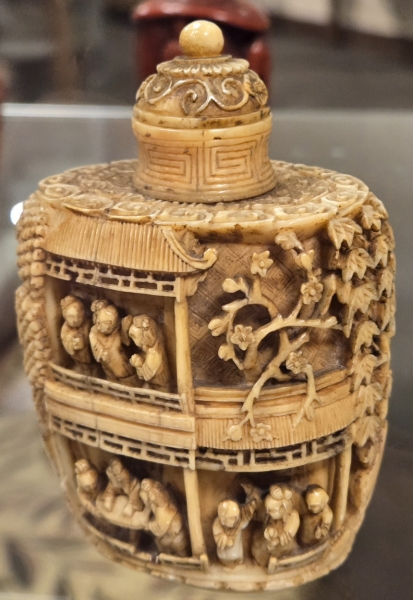


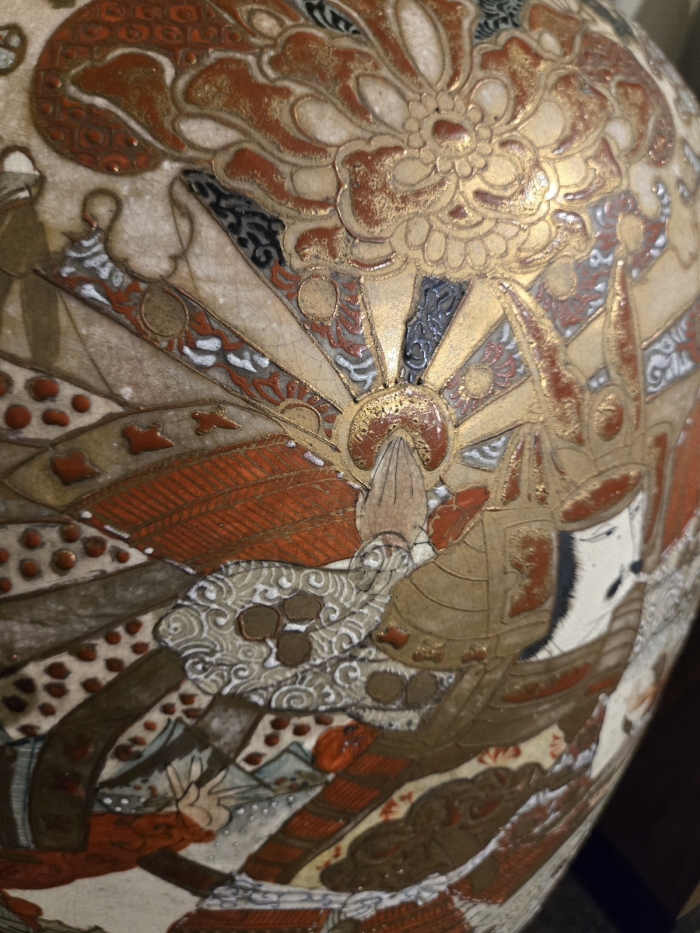
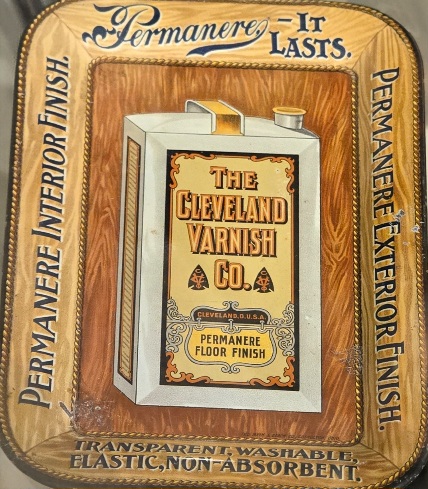
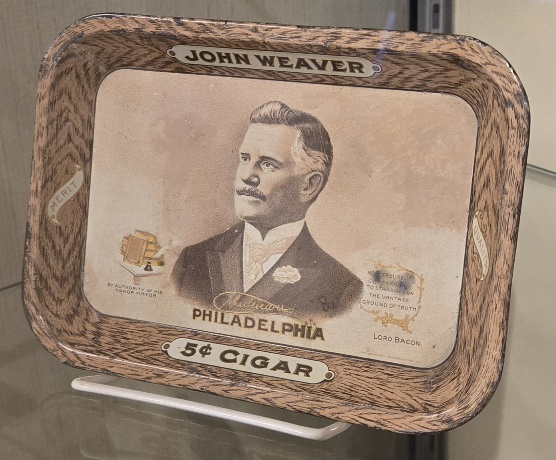
Thanks for checking out the pipes and pieces I saw in Coshocton, Ohio at the Johnson-Humrickhouse Museum!



 Bill's Bud Blog: Marijuana, Music and More!